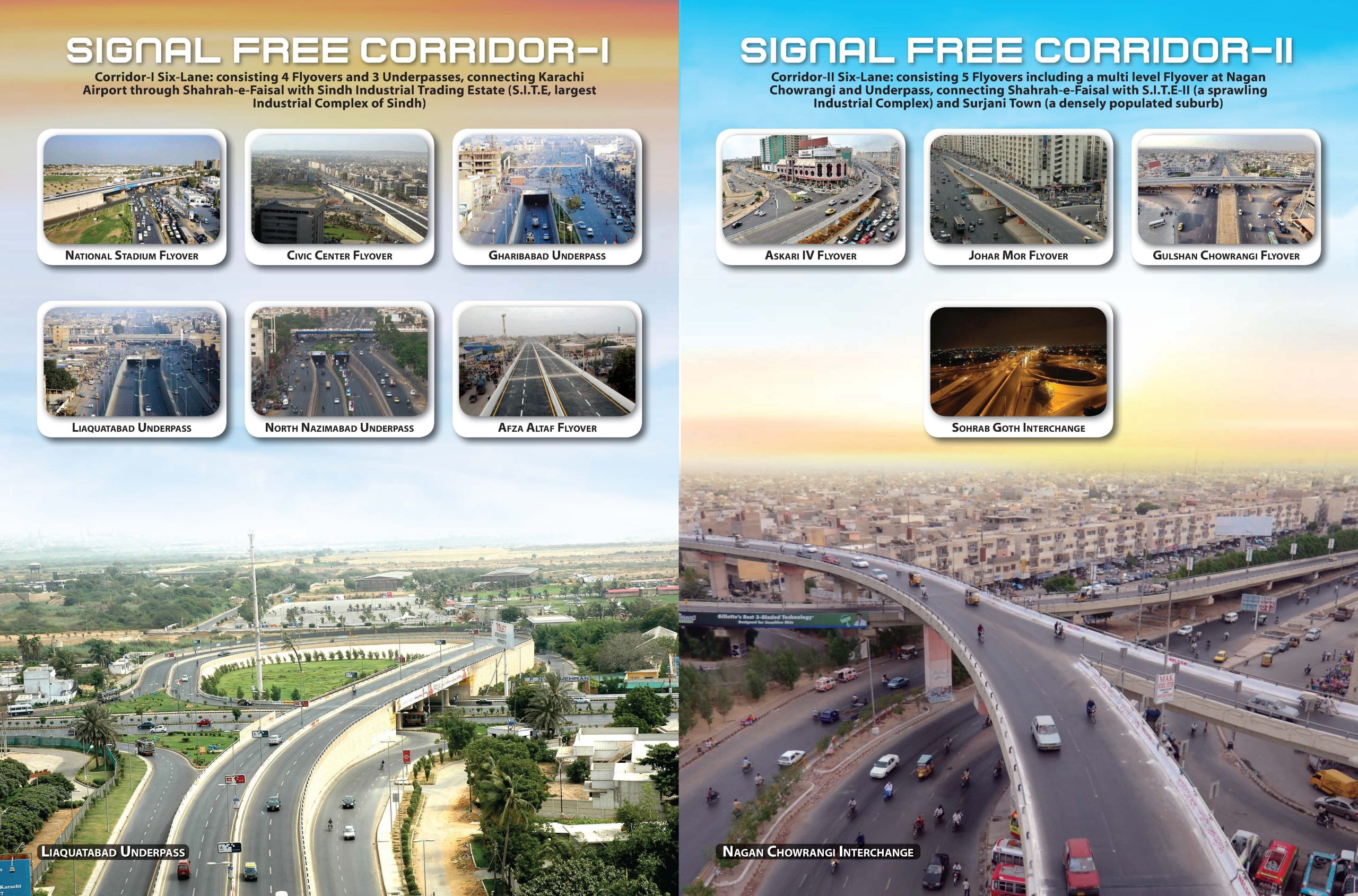
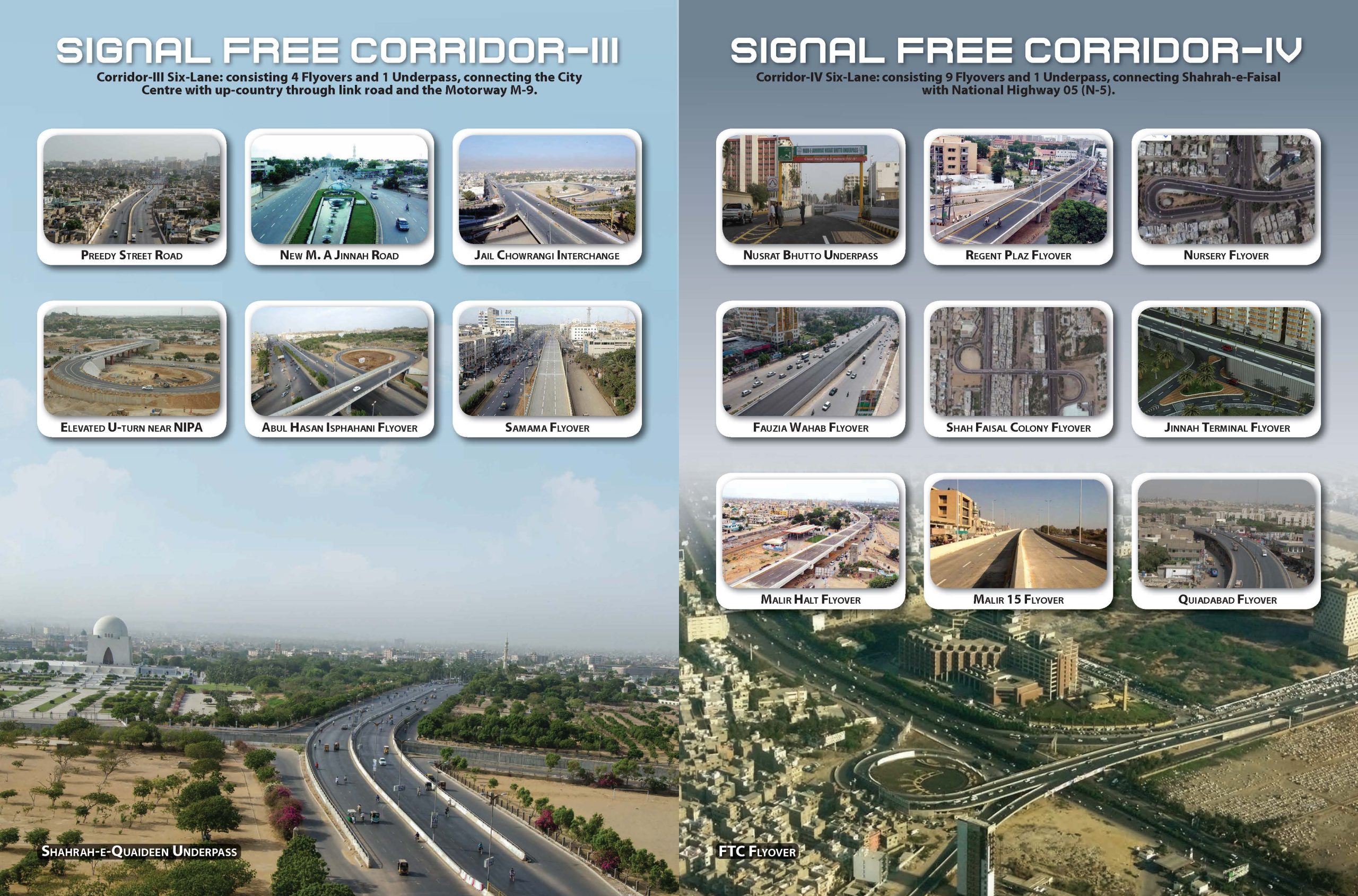
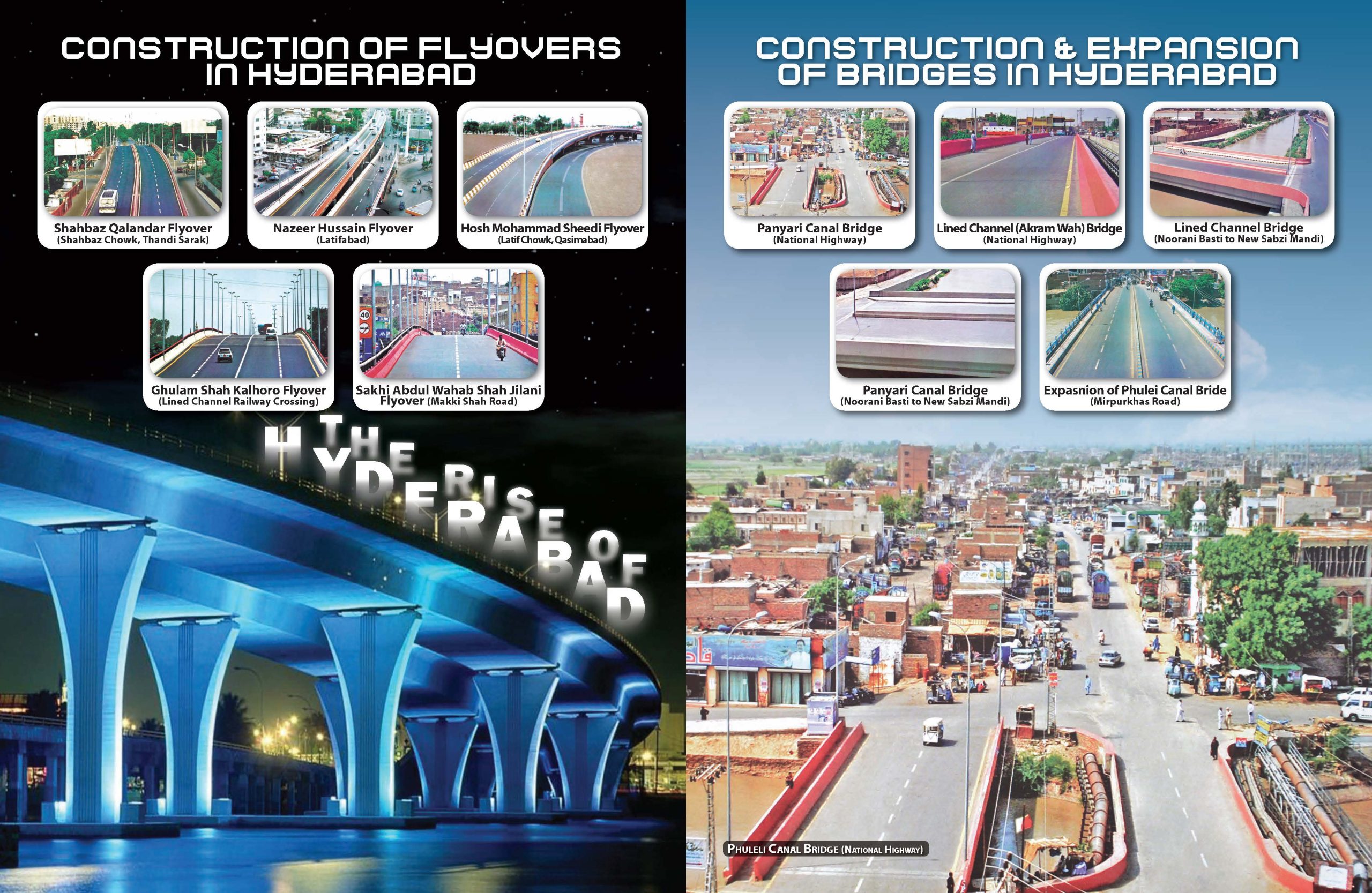
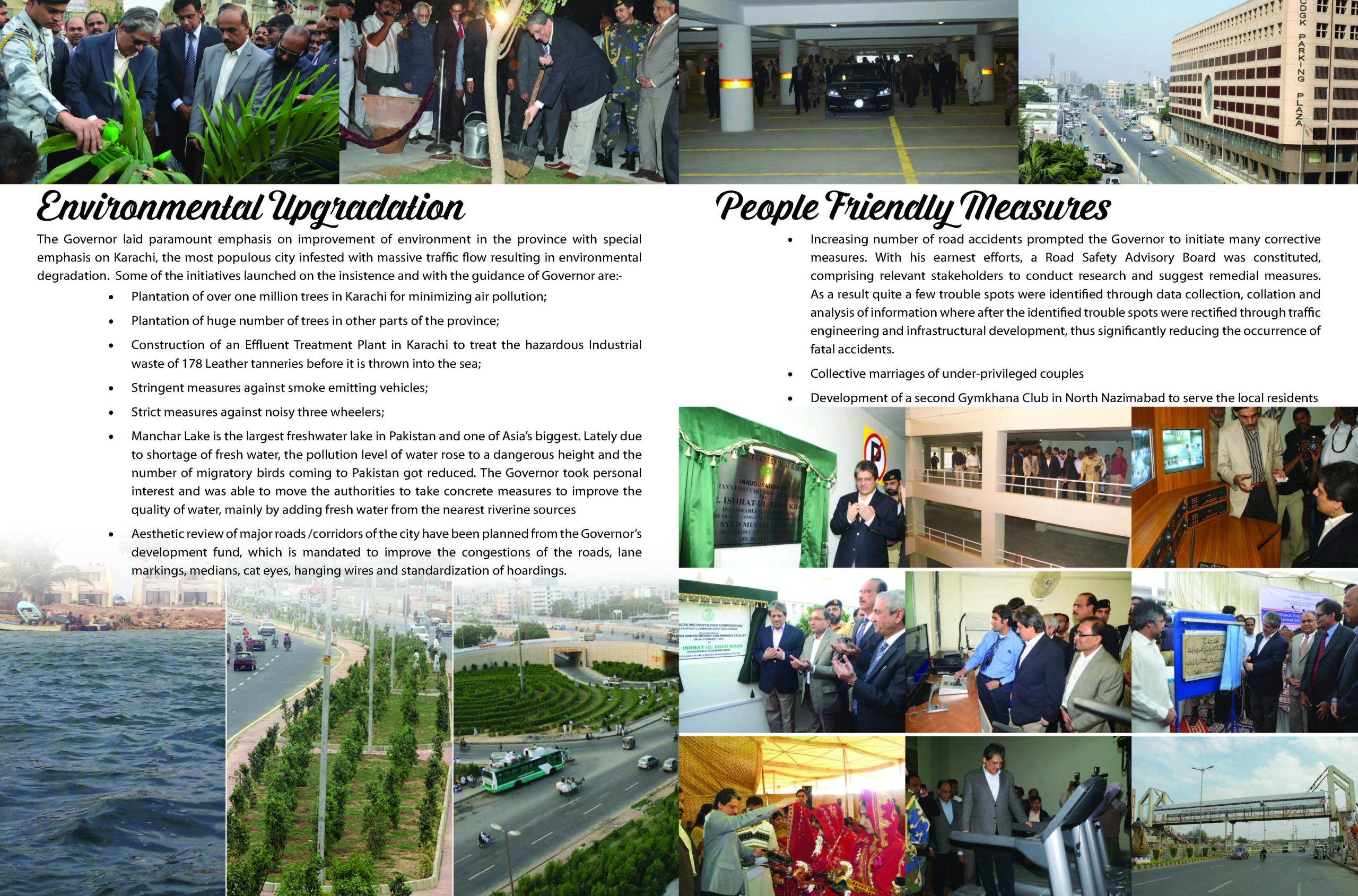
Dr. Ishrat ul Ebad Khan is a visionary leader whose impactful initiatives have significantly transformed urban infrastructure and accelerated metropolitan development across Pakistan. Beginning his journey by pioneering Pakistan’s first-ever flyover project in 1992 as Minister for Housing and Planning, his leadership consistently emphasized innovation, inclusivity, and sustainable growth.
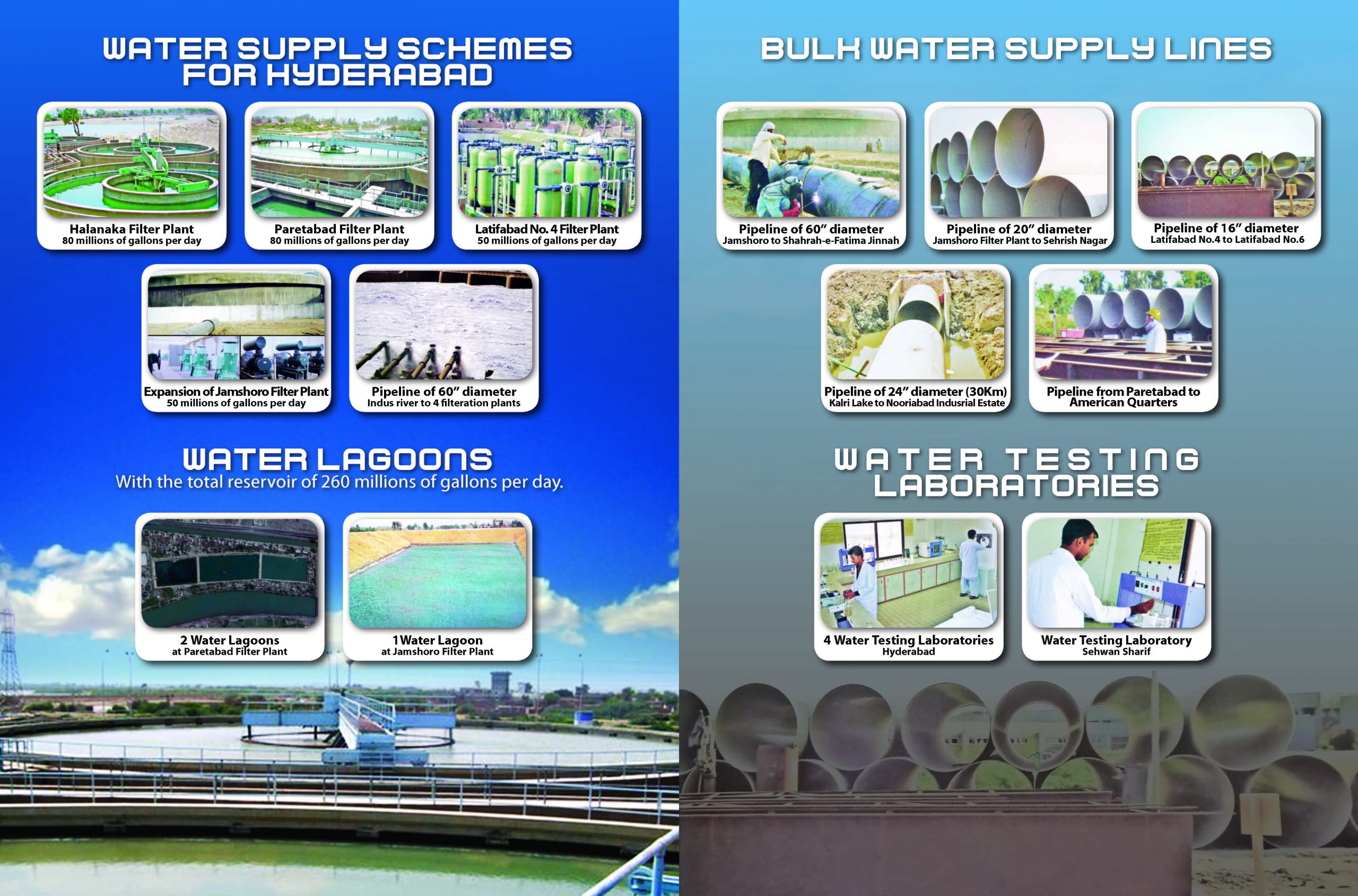
As Governor, Dr. Ishrat ul Ebad Khan strategically secured landmark investments through the transformative Tameer-e-Karachi Package in 2002, mobilizing Rs. 29 billion for Karachi, Rs. 10 billion for Hyderabad, and Rs. 5 billion for Sukkur after severe flooding. These funds catalyzed extensive developments, including significant road expansions, construction of underpasses and bridges, modernisation of drainage and sewage systems, enhancement of water supply networks, improved street lighting, establishment of vibrant parks, educational infrastructure improvements, healthcare facility upgrades, and beautification projects across the city.
Significantly, despite political differences with Mayor Naimatullah Khan, Dr. Ishrat ul Ebad Khan prioritized collaboration from 2002 onward, uniting efforts for Karachi’s and Sindh’s development. This collaborative spirit extended to subsequent mayors and city administrators, consistently positioning urban development above political divisions.
His persuasive advocacy secured an additional Rs. 15 billion package from Prime Minister Nawaz Sharif in 2014, directly facilitating landmark projects like the Green Line BRT, the completion of the Lyari Expressway, and M9 motorway. Additionally, his visionary planning led to the conception of the strategic Malir Expressway.
Dr. Ishrat ul Ebad Khan’s legacy is defined by his transformative leadership. He turned visionary urban initiatives into realities, profoundly enhancing the quality of life and fostering economic growth for millions across Sindh.
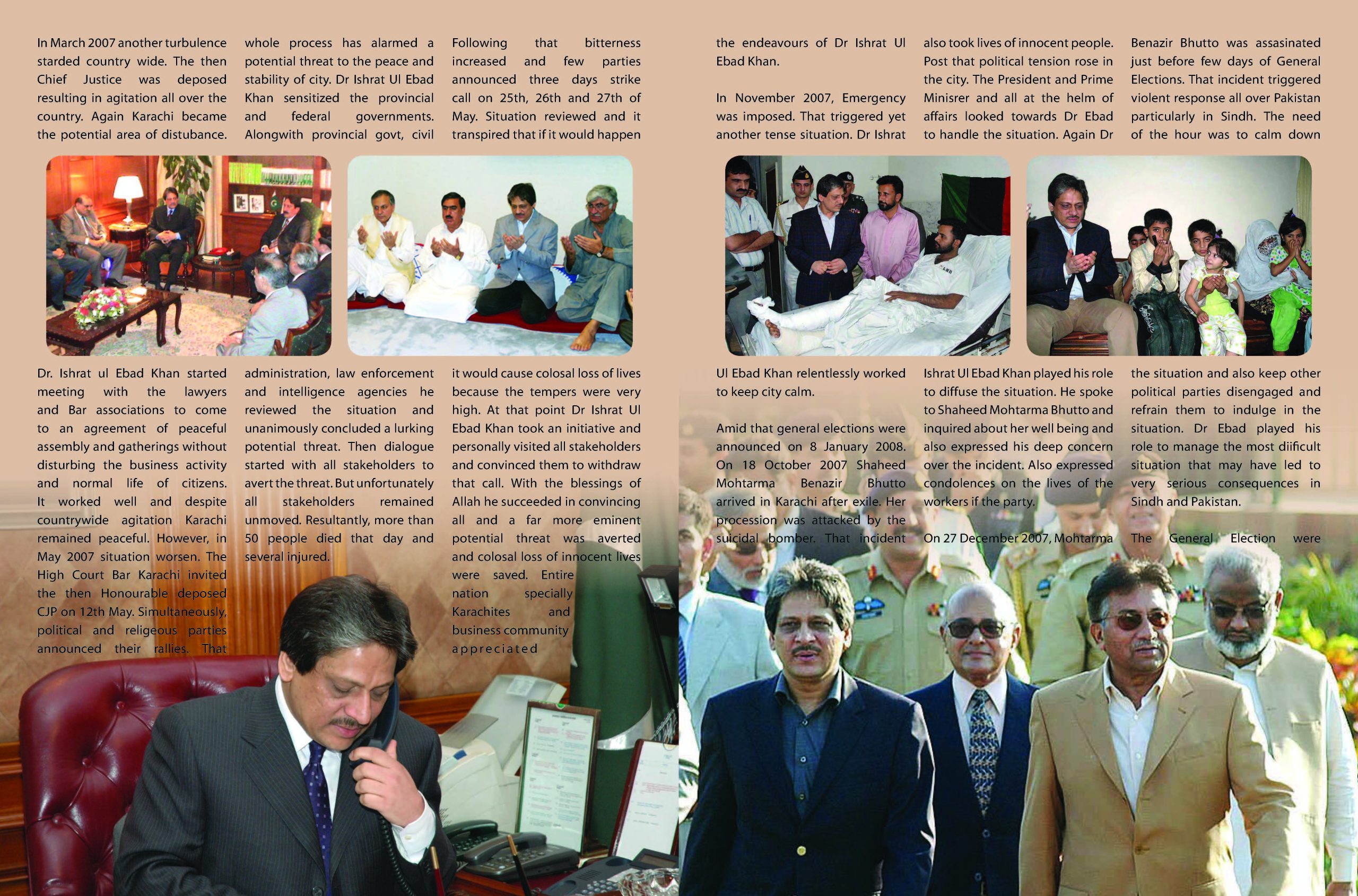
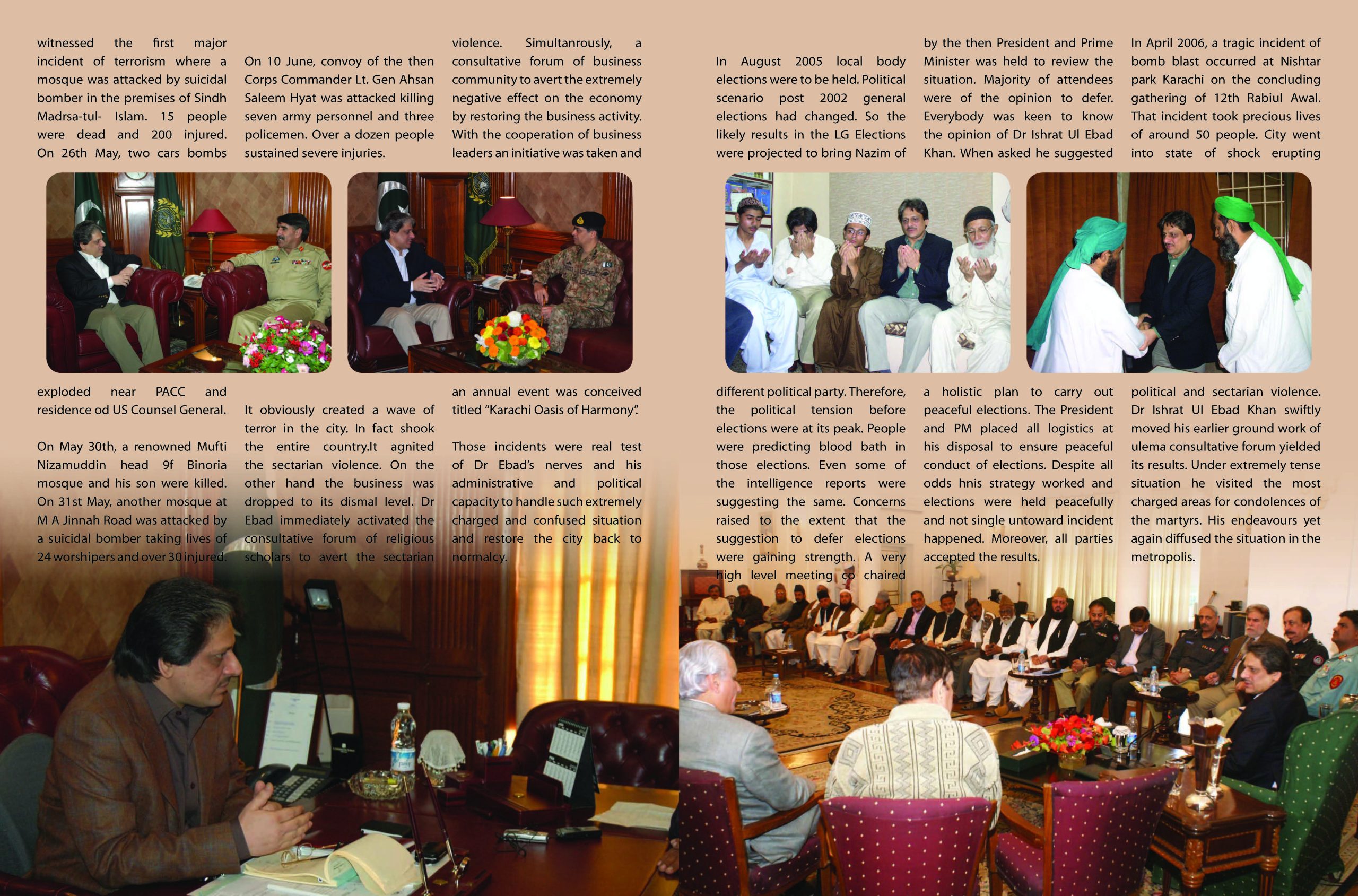
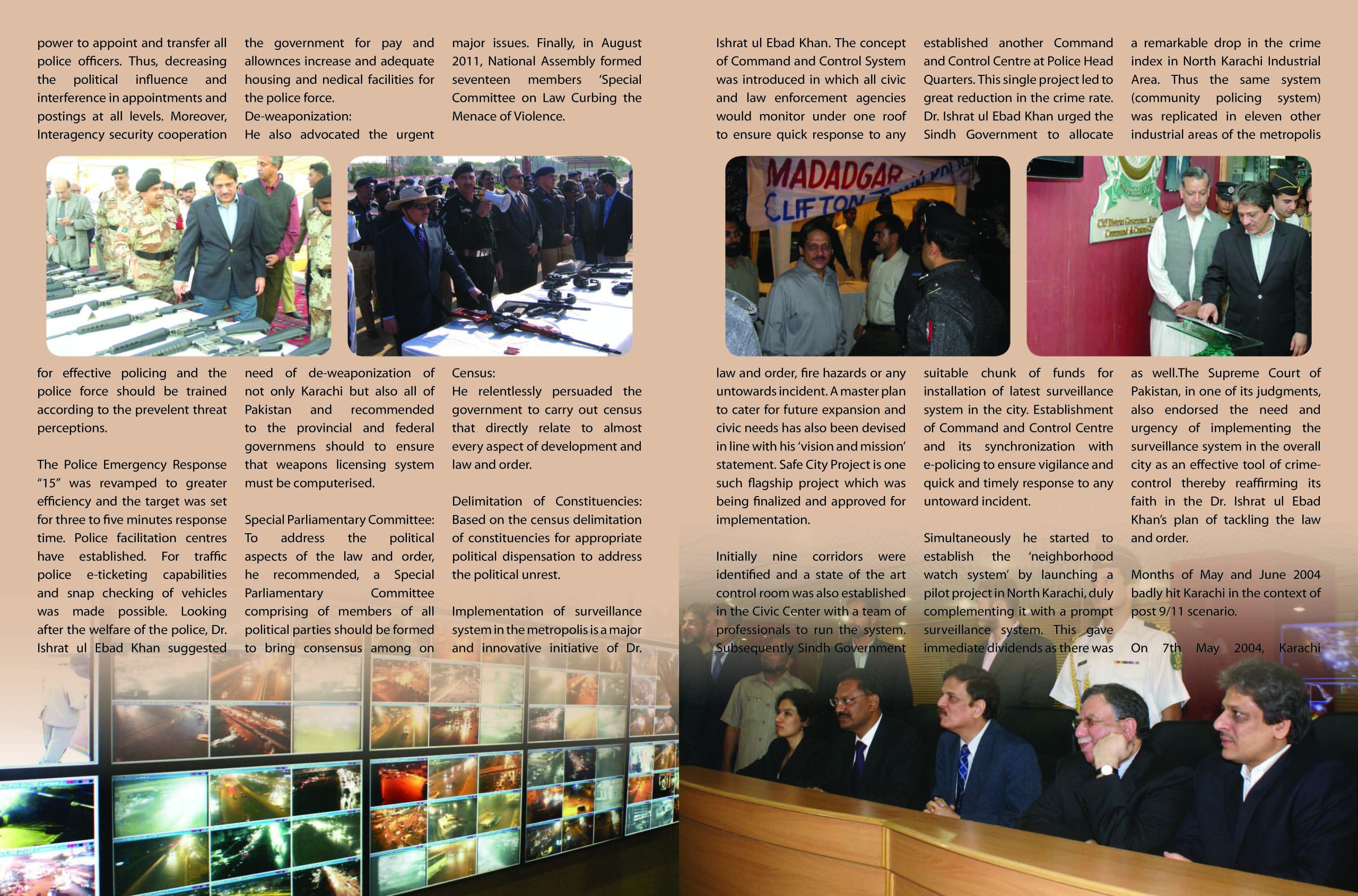
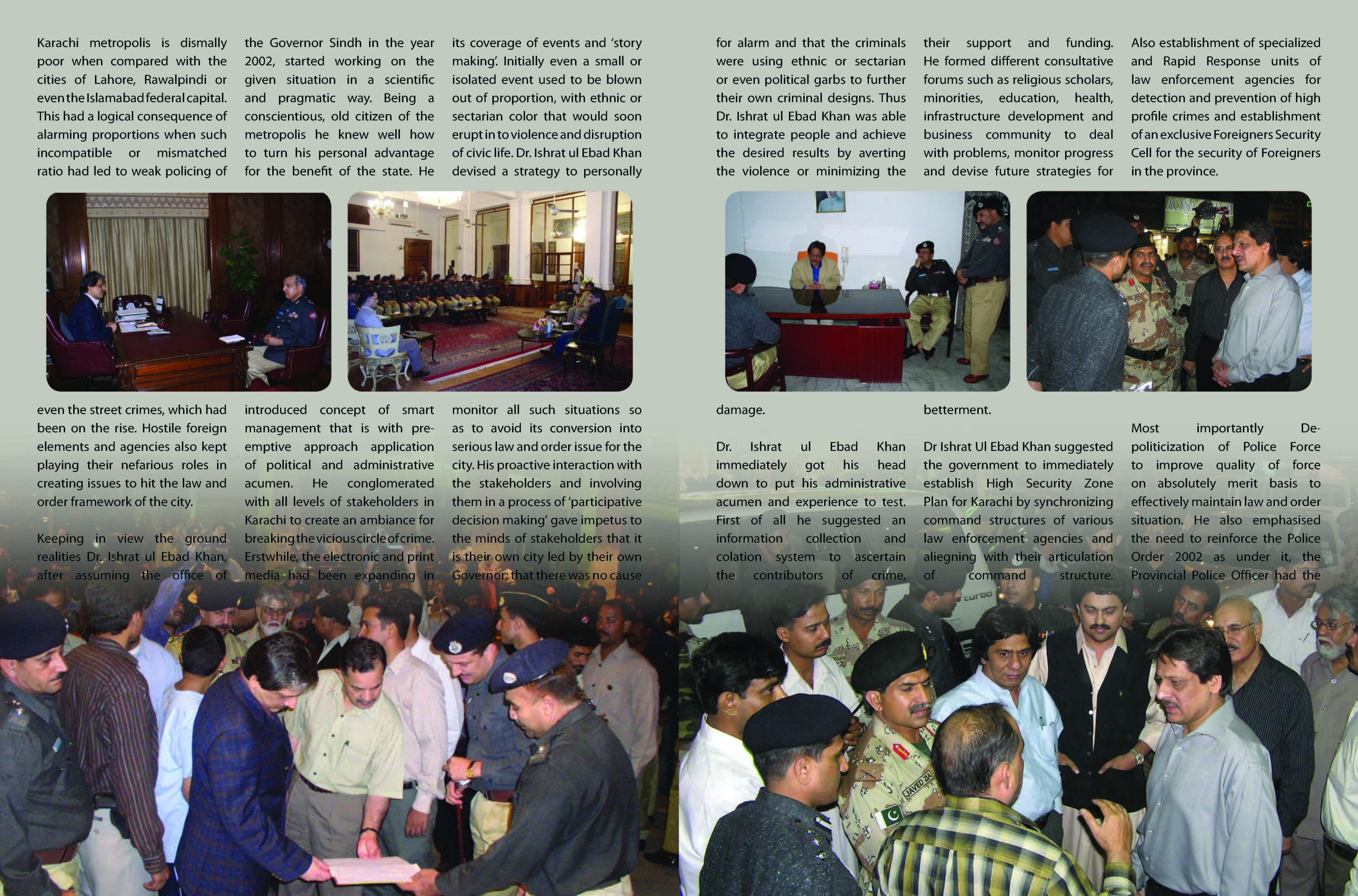
Dr. Ishrat Ul Ebad Khan played a vital role in stabilizing Karachi’s security landscape throughout his tenure as Governor of Sindh, particularly in the volatile period following the events of 9/11. Confronted with rising terrorism, rampant crime, and political violence, he worked relentlessly to strengthen law enforcement agencies and promote inter-agency coordination. By engaging political parties, intelligence services, and community leaders, he fostered broad-based consensus on key security measures—ranging from targeted operations to systemic police reforms.
In the post-2008 climate, Karachi faced alarming increases in target killings, kidnappings for ransom, extortion, and militant activities. Responding decisively, Dr. Ebad spearheaded an extensive crackdown in 2013, coordinated with the federal government, to dismantle criminal networks and extremist cells. Under his guidance, law enforcement teams rapidly arrested high-profile offenders, reduced the influence of armed groups, and diminished political militancy. The resulting improvements were felt citywide: reported crimes dropped sharply, businesses began to flourish, and citizens experienced a renewed sense of security by 2015.
These comprehensive efforts contributed to a more stable, prosperous Karachi, Sindh and Pakistan and reinforced Dr. Ishrat Ul Ebad Khan’s reputation as a unifying force. By prioritizing dialogue, accountability, and consistent action, he laid a critical foundation for sustainable peace in Karachi and across Sindh—an enduring legacy in Pakistan’s broader war on terror. He also promoted police reforms, ensuring better accountability and operational effectiveness. Through strategic dialogue, he encouraged rival political groups to prioritize peace over confrontation. His initiatives in fostering interfaith harmony and engaging community leaders helped curb extremism. Under his leadership, Karachi experienced a period of relative stability, laying the foundation for long-term security and development in the city. His contributions remain a pivotal chapter in Karachi’s journey toward peace.
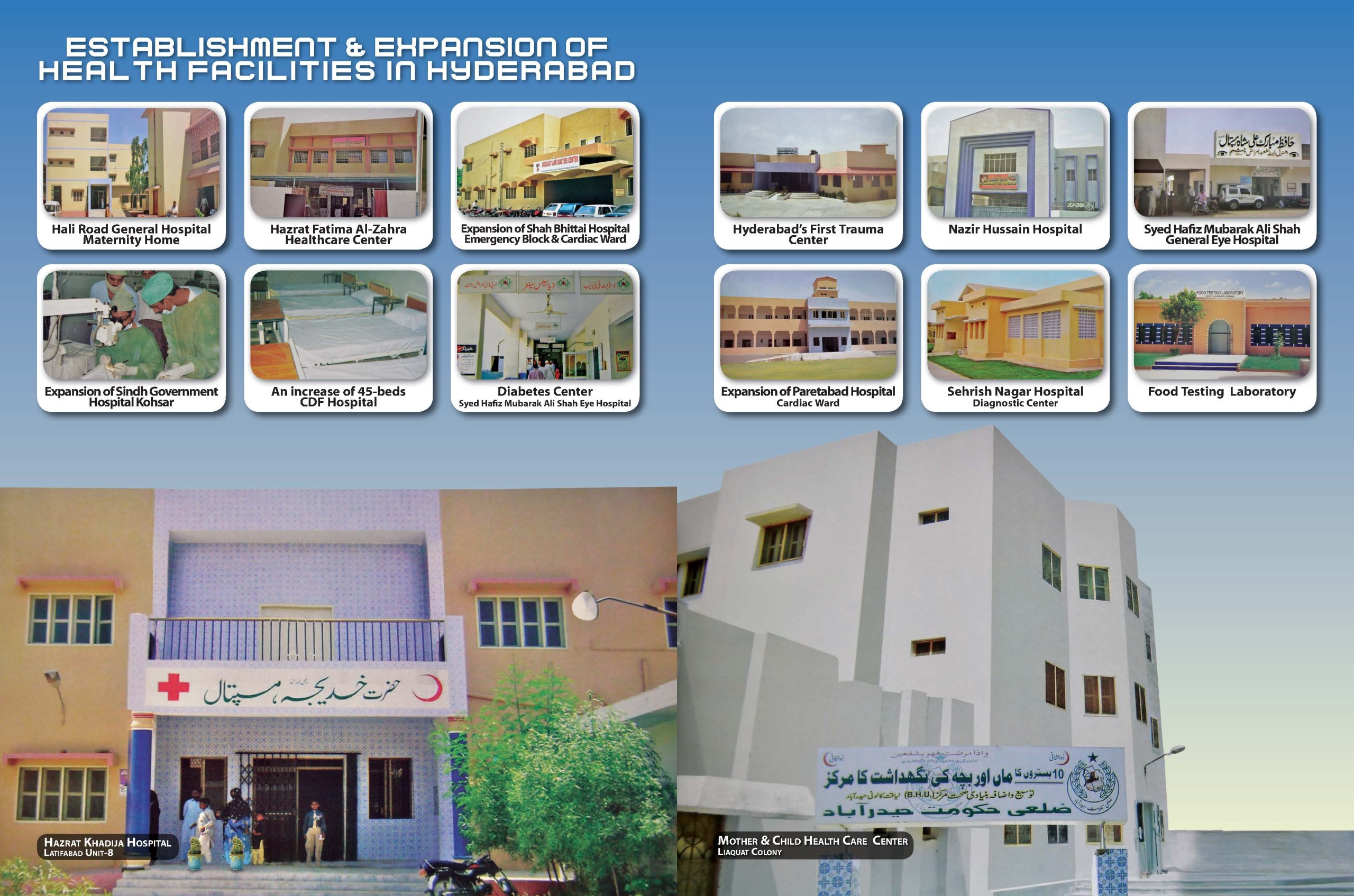
Dr Ishrat Ul Ebad Khan spearheaded groundbreaking health and educational reforms. Under his stewardship, the number of universities in Sindh soared from only 13 (1947 to 2002) to over 60 from 2002 to 2016, fostering a new era of academic growth. Notably, he was instrumental in elevating the historic Sindh Madressatul Islam—alma mater of Quaid-e-Azam Muhammad Ali Jinnah—to university status, founding Pakistan’s first law university, and expanding medical education through projects like Dow University’s Ojha Campus and the Dr. Ishrat-ul-Ebad Khan Institute of Oral Health Sciences.
In health, his administration improved hospital infrastructure, upgraded diagnostic facilities, and broadened healthcare access in both metropolitan and rural areas. By attracting key international investments and promoting collaboration above political lines, Dr. Ishrat ul Ebad Khan cemented his role as a visionary figure who propelled Sindh into a new era of sustainable, inclusive growth.
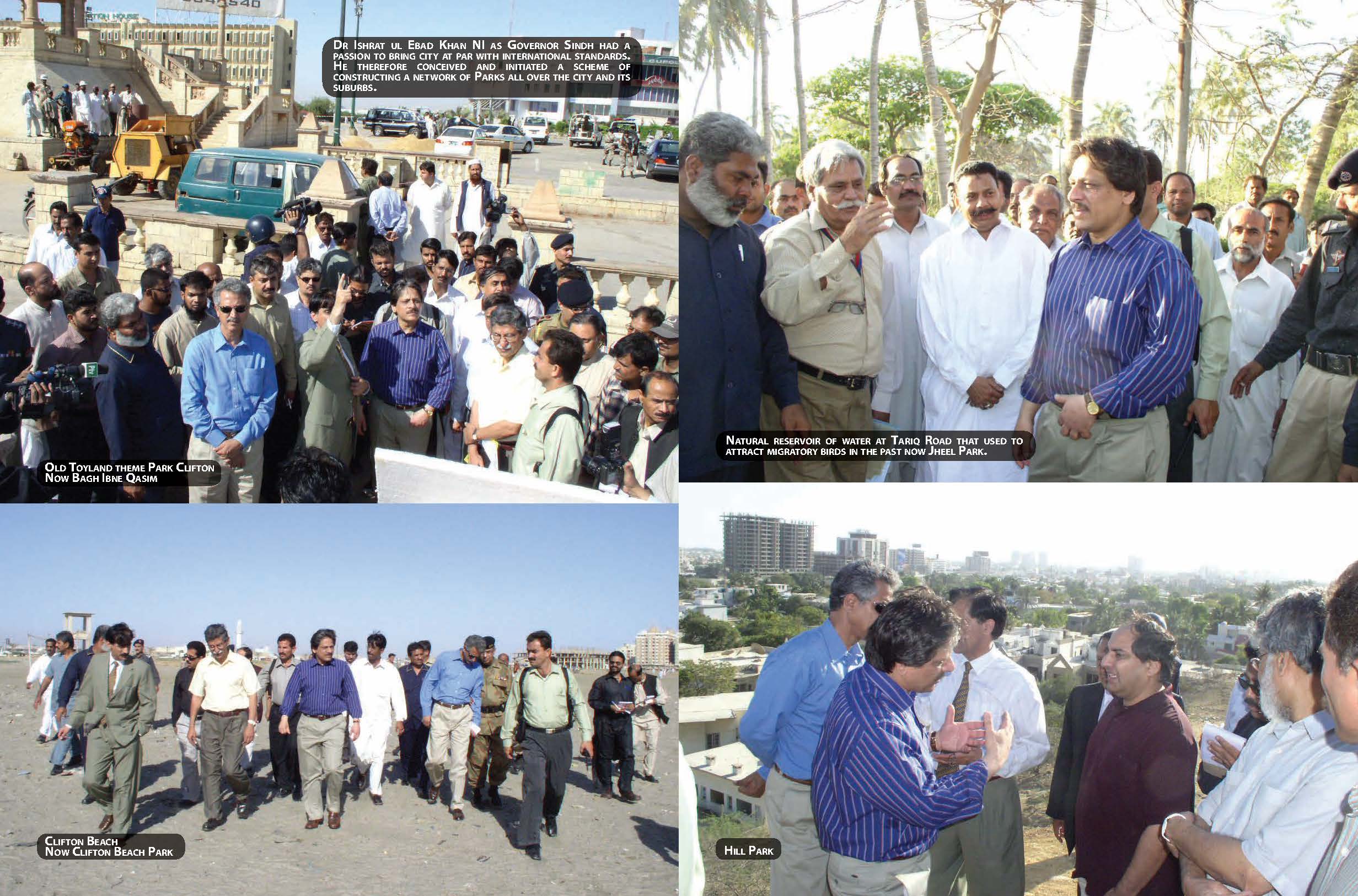
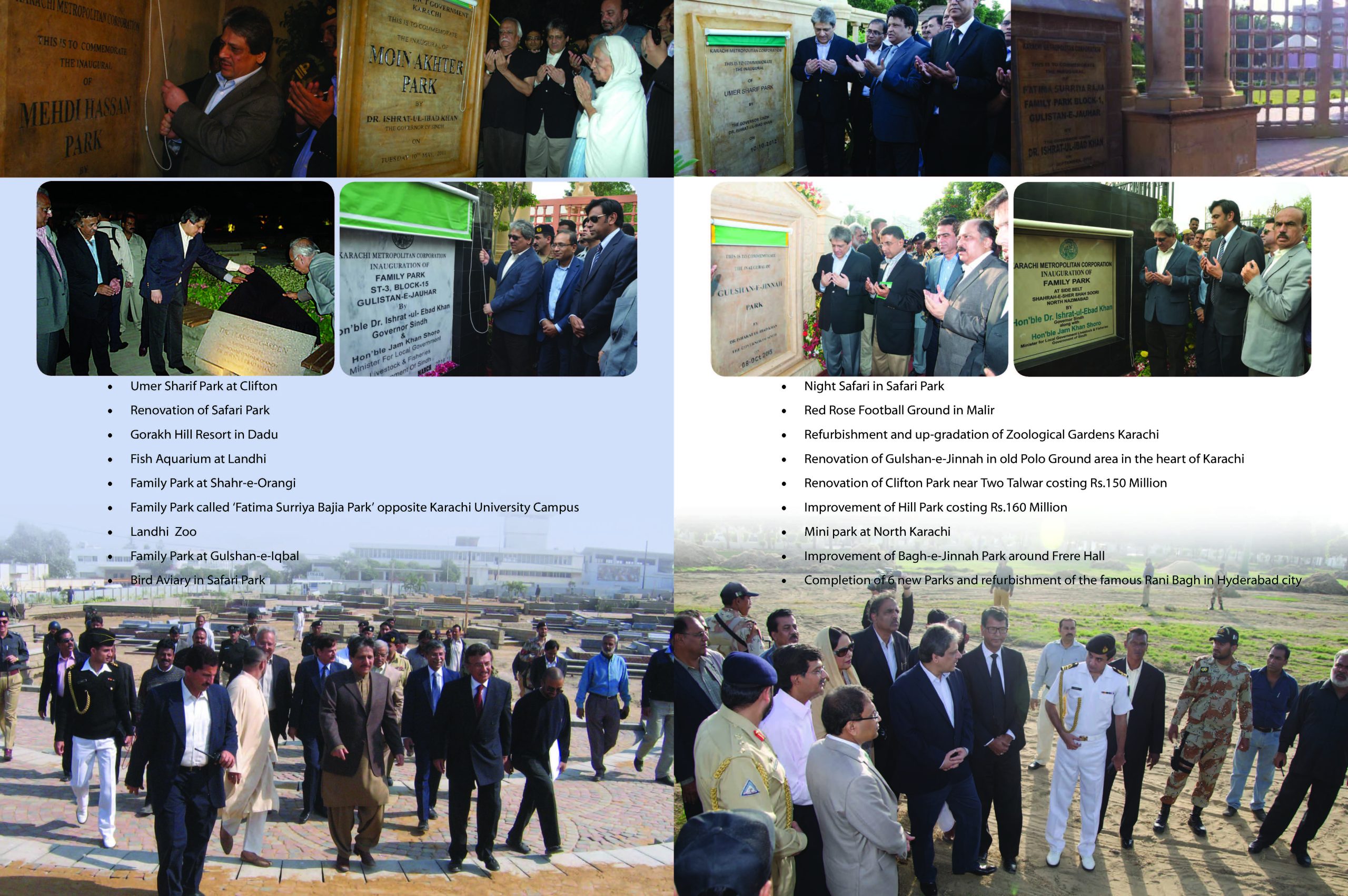
Dr. Ishrat ul Ebad Khan played a vital role in expanding recreational and tourism opportunities across Sindh. Under his leadership, Gorakh Hill Station in Dadu was revived, transforming it into a scenic retreat known for its cool climate and breathtaking views. He oversaw the renovation of Karachi’s largest urban park, Bagh Ibn-e-Qasim, introducing modern amenities and lush landscaping, and upgraded Safari Park with improved animal enclosures and visitor facilities.
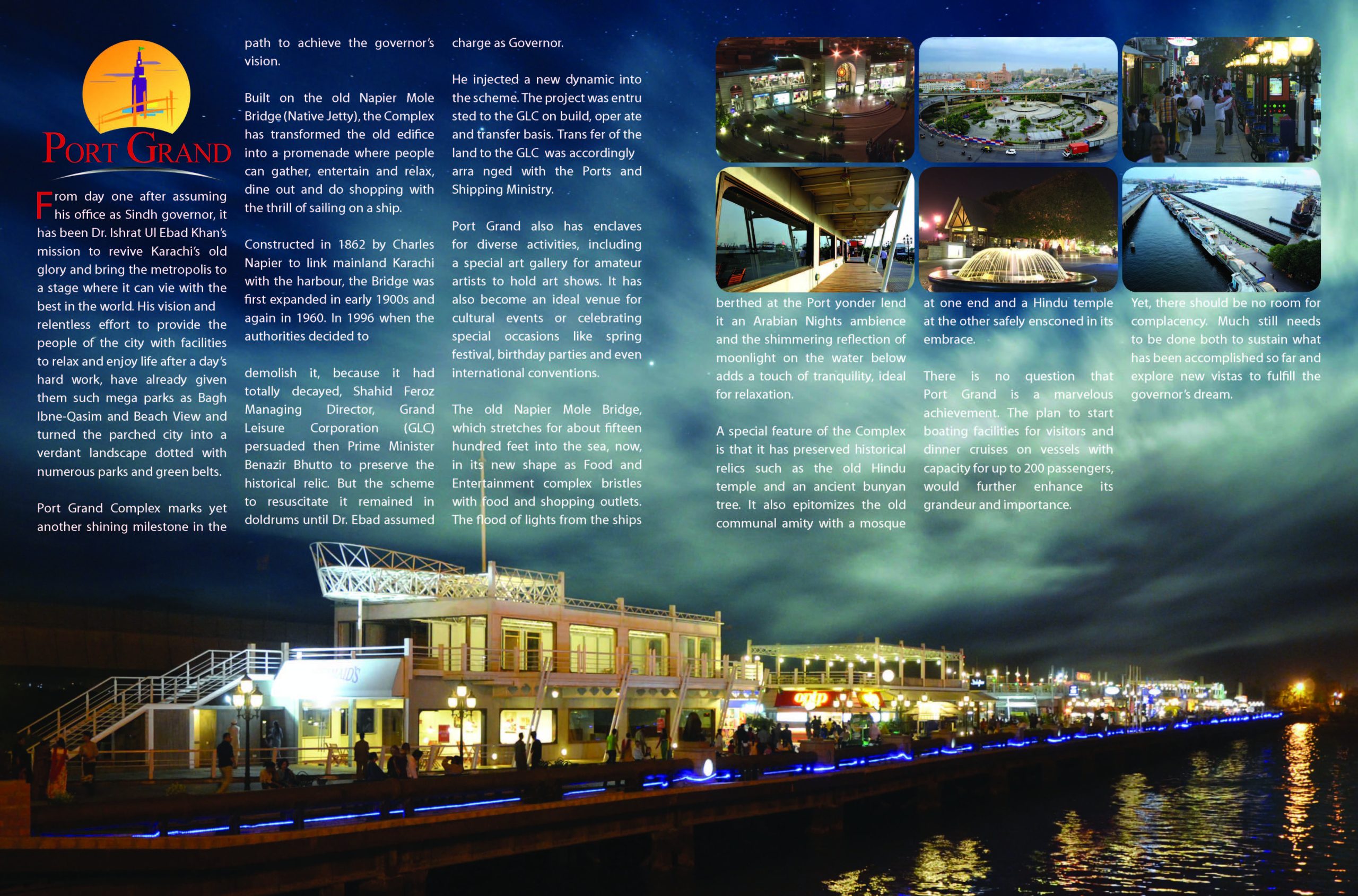
He also championed Port Grand—a lively waterfront hub featuring dining, shopping, and cultural events—and supported enhancements to Karachi’s iconic beach. Further nurturing the arts, Dr. Ebad Khan facilitated the Karachi Arts Council, fostering a dynamic environment for creativity and local talent.
Through the establishment of sports complexes, cultural centers, and additional public parks, he ensured that citizens gained greater access to leisure and community spaces. These are only some of his many achievements, which enriched Sindh’s cultural fabric and contributed to the province’s social and economic progress.
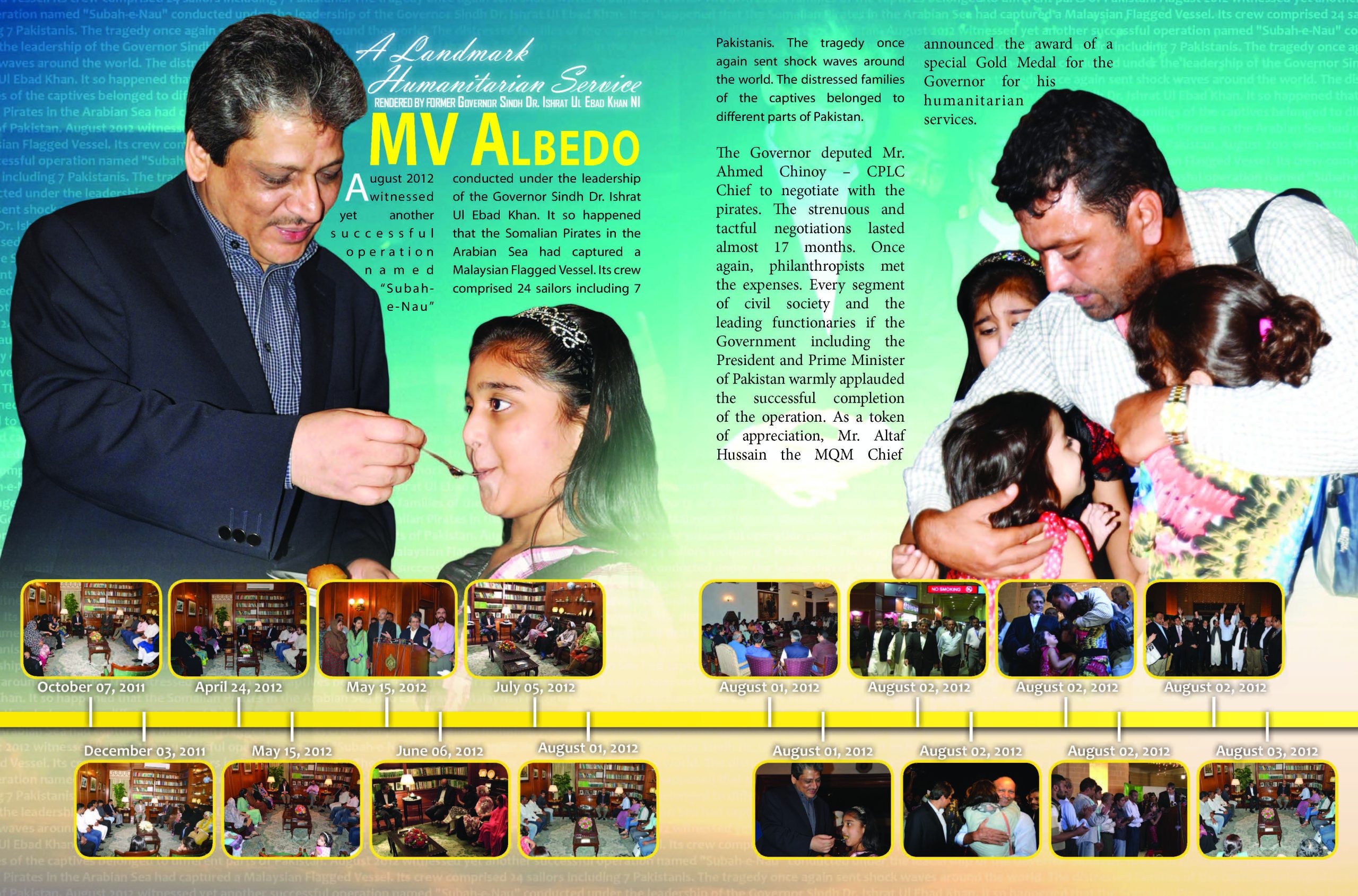
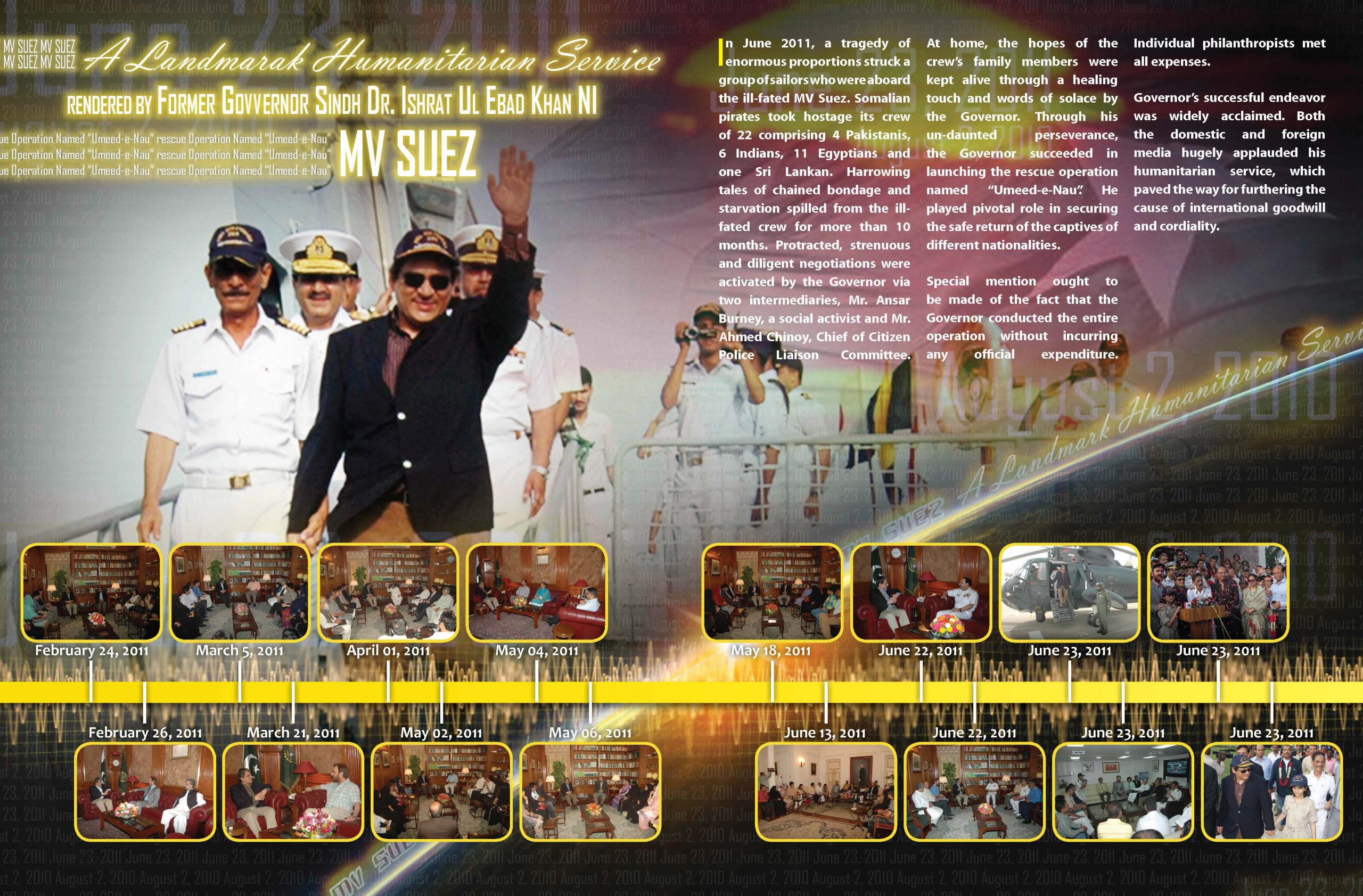
Dr. Ishrat Ul Ebad Khan played a crucial role in multiple humanitarian efforts, ensuring prompt relief and rehabilitation for affected communities. One of his most notable achievements was coordinating diplomatic efforts during the Somali pirate hostage crisis, which led to the safe release of Pakistani hostages. This breakthrough not only showcased Pakistan’s adeptness in soft diplomacy but also bolstered its international reputation and highlighted the competence of its governance, and its armed forces.
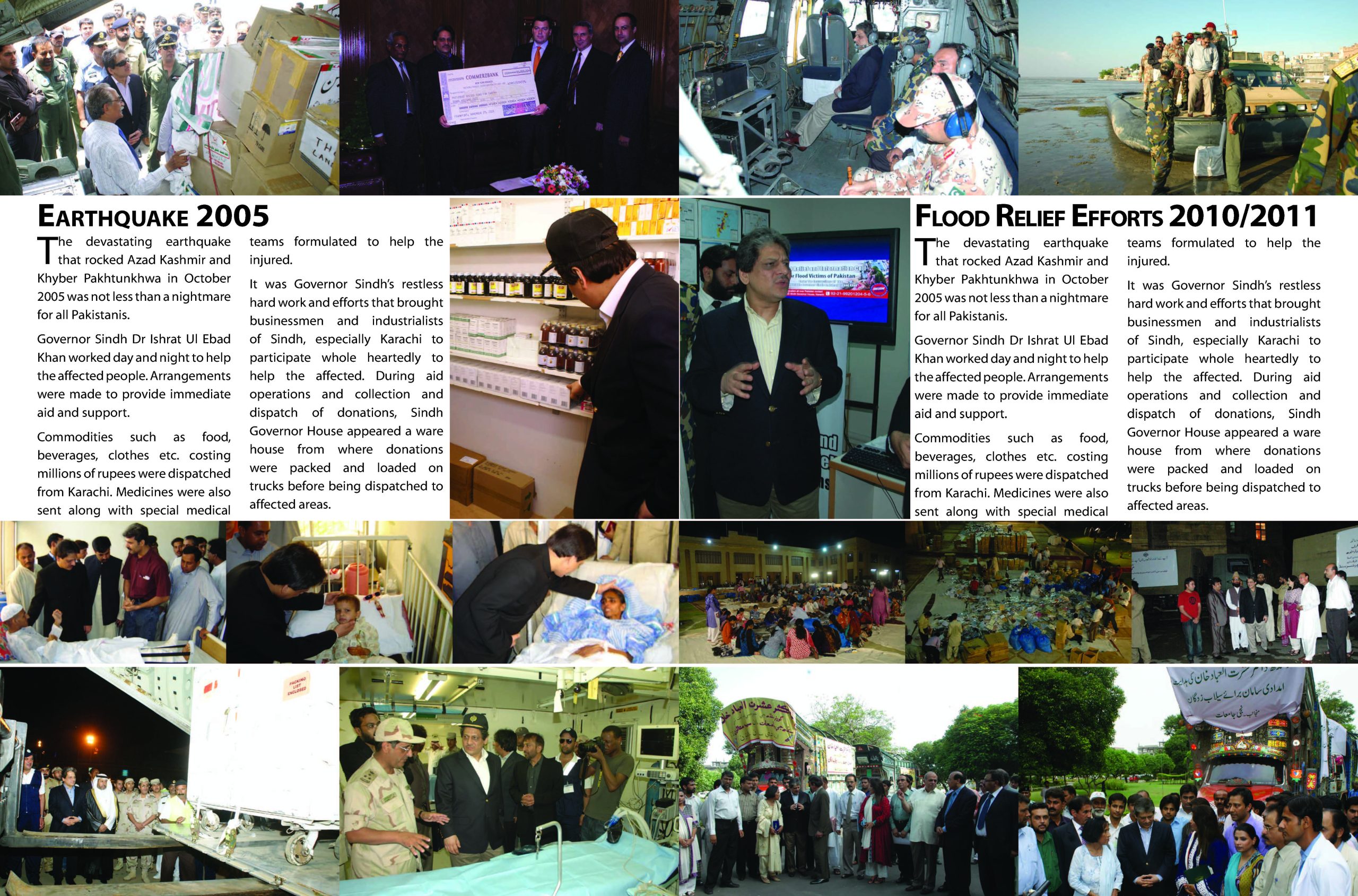
In the wake of the 2005 earthquake, Dr. Ebad Khan spearheaded rescue operations, swiftly mobilizing resources and delivering critical aid to affected regions. Similarly, during the 2010-2011 floods, he directed extensive relief measures—ensuring that food, shelter, and medical assistance reached displaced families across the country. Beyond immediate disaster response, he championed numerous welfare programs, collaborating with philanthropic organizations and international NGOs to provide sustained support for vulnerable groups.
These endeavors reflect Dr. Ishrat Ul Ebad Khan’s unwavering commitment to humanitarian causes and his profound impact on fostering resilience, unity, and a positive global image for Pakistan.
Passionate about progress, dedicated to change. Join us in redefining Pakistan’s future
Passionate about progress, dedicated to change. Join us in redefining Pakistan’s future